
A functioning toilet handle is an essential yet often overlooked part of any bathroom. When a toilet handle becomes loose, stuck, or broken, it can disrupt daily routines and lead to unnecessary water waste. Fortunately, fixing or replacing a toilet handle is a simple and inexpensive task that most homeowners can do themselves. This guide will cover common toilet handle issues, maintenance tips, and upgrade options.
Common Toilet Handle Problems and How to Fix Them
1. Loose or Wobbly Handle
Over time, a toilet handle can become loose due to frequent use. To fix it:
- Lift the tank lid and locate the mounting nut inside the tank.
- Use an adjustable wrench to tighten the nut, ensuring it is snug but not over-tightened.
- If the handle still feels loose, check for worn-out components, such as the handle arm or chain, and replace if necessary.
2. Sticking or Hard-to-Push Handle
A handle that sticks or requires extra force to flush is usually caused by:
- Corroded or rusted parts: If the handle’s metal components are rusted, consider replacing them.
- Chain or flapper issues: Ensure the chain isn’t too tight or tangled, which can prevent proper movement.
- Mineral buildup: Clean any calcium deposits from the handle mechanism using vinegar and a brush.
3. Handle Not Flushing Properly
If pressing the handle doesn’t activate the flush, the issue could be:
- A disconnected or broken chain—reattach or replace it if needed.
- A misaligned flapper—adjust the chain length to allow proper sealing and movement.
4. Broken or Cracked Handle
A cracked or broken toilet handle should be replaced. Here’s how:
- Turn off the water supply to avoid accidental flushing.
- Unscrew the mounting nut inside the tank (turn counterclockwise).
- Remove the old handle and insert the new one, securing it with the nut.
- Reconnect the chain and test the flush.
Maintaining Your Toilet Handle
To extend the lifespan of your toilet handle and prevent frequent issues:
- Regularly clean the handle and internal components to prevent grime buildup.
- Check and adjust the chain periodically to ensure smooth flushing.
- Avoid excessive force when using the handle to prevent premature wear.
Upgrading to a New Toilet Handle
For homeowners looking to enhance their bathroom’s appearance or functionality, upgrading a toilet handle is a simple way to do so. Consider the following options:
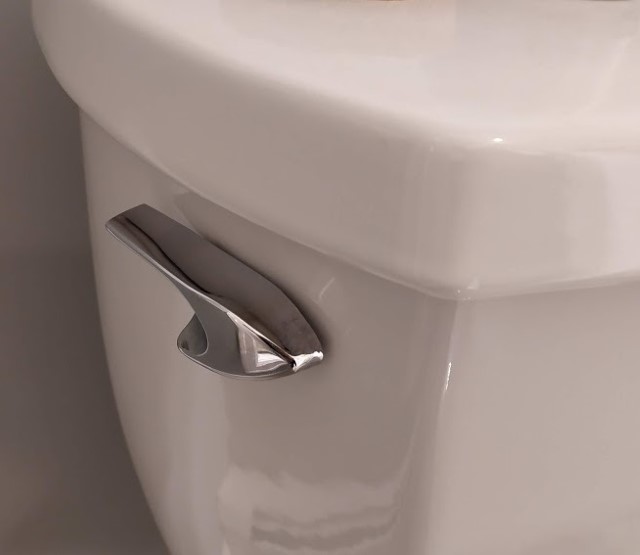
- Stylish finishes: Handles come in various finishes, such as chrome, brushed nickel, and oil-rubbed bronze, to match your bathroom decor.
- Touchless or push-button options: Modern toilets offer hands-free flushing for improved hygiene.
- Durable materials: Opt for metal or reinforced plastic handles for long-lasting performance.
Conclusion
A properly functioning toilet handle is crucial for an efficient bathroom. By addressing common issues, performing regular maintenance, and considering an upgrade, homeowners can ensure a hassle-free flushing experience. Whether you need a quick fix or a stylish upgrade, a toilet handle replacement is a simple yet effective way to improve your bathroom’s functionality.

Recent Comments