
Imagine a scenario where a homeowner faces a sudden electrical issue and needs to address it promptly. In such situations, knowing the specific circuit connected to each area can significantly speed up the process. Properly labeling an electrical panel not only saves time but also reduces stress and potential hazards. This task is a small yet critical aspect of home maintenance that can greatly benefit homeowners and property buyers.
Understanding the Layout of an Electrical Panel
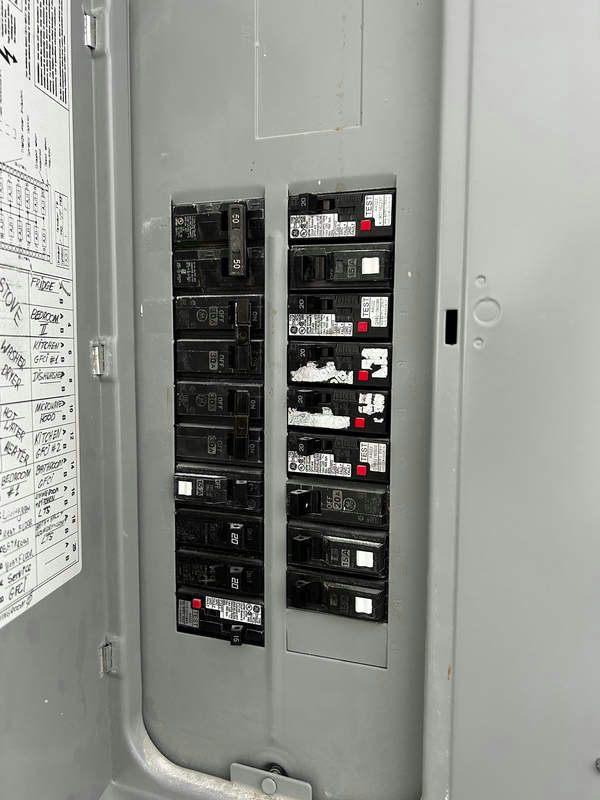
An electrical panel distributes electricity throughout a home and is typically located in a basement, garage, or utility area. It contains circuit breakers or fuses that control the power to different parts of the property. Each breaker or fuse should correspond to a specific area or appliance. Without clear labeling, identifying the right circuit can become a time-consuming trial-and-error process.
- Standard panels may have between 10 to 40 circuits
- Each circuit should ideally be labeled with the room or appliance it controls
- Labels should be clear, legible, and updated as necessary
Benefits of Proper Labeling
Properly labeling an electrical panel offers several advantages beyond convenience. It enhances safety by allowing quick disconnection of power in emergencies. It also aids in troubleshooting electrical issues by pinpointing specific circuits. This practice aligns with industry best practices, ensuring smoother maintenance and repairs.
- Facilitates quicker response during electrical failures
- Enables safe and efficient power management
- Supports compliance with local electrical codes and standards
Practical Tips for Labeling
When labeling an electrical panel, use durable materials that withstand time and environmental conditions. Consider using consistent terminology and layout to avoid confusion. It’s advisable to revisit and update labels after any electrical work or modifications.
Homeowners might also consult a professional for accurate and systematic labeling, as professionals ensure that labels adhere to local regulations and industry standards. Regular inspections can further identify areas where labeling might be unclear or outdated.
Properly labeling an electrical panel is a simple yet effective practice that enhances safety and efficiency in a home. While this task can be done by homeowners, seeking a professional inspection service ensures compliance with standards and provides peace of mind.

Recent Comments